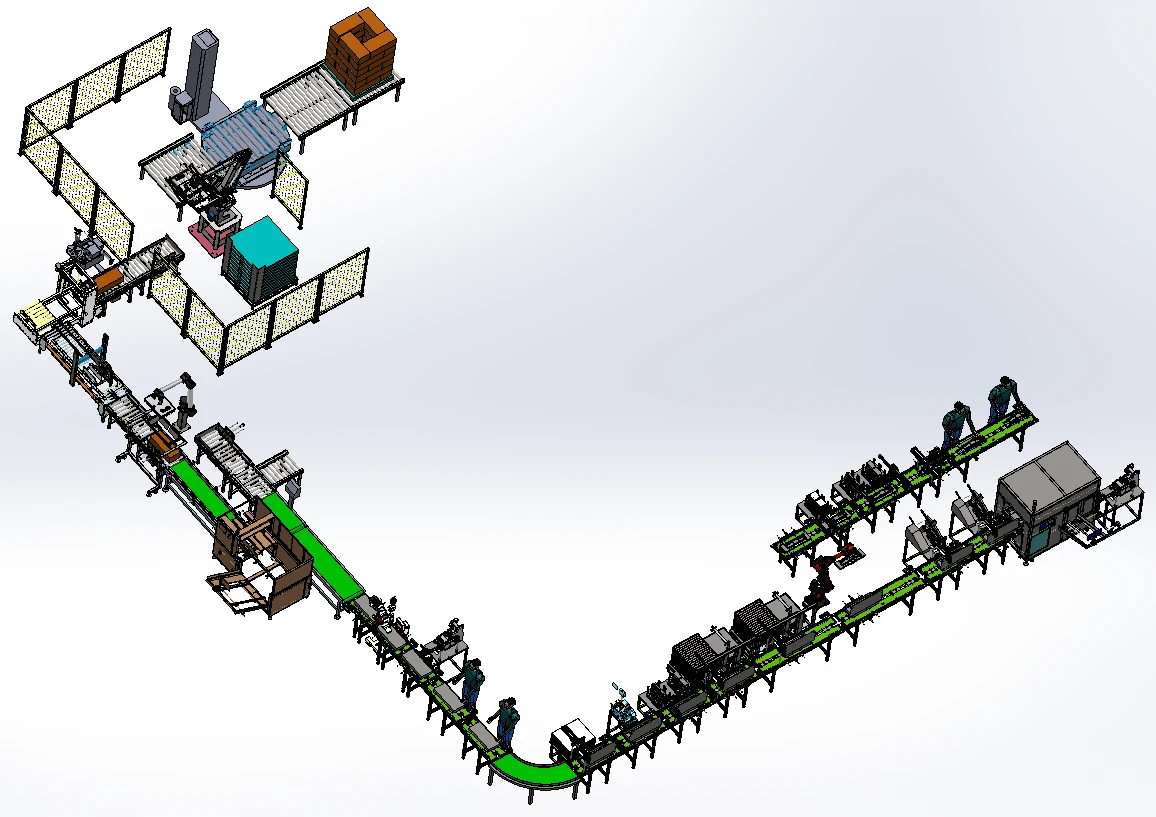
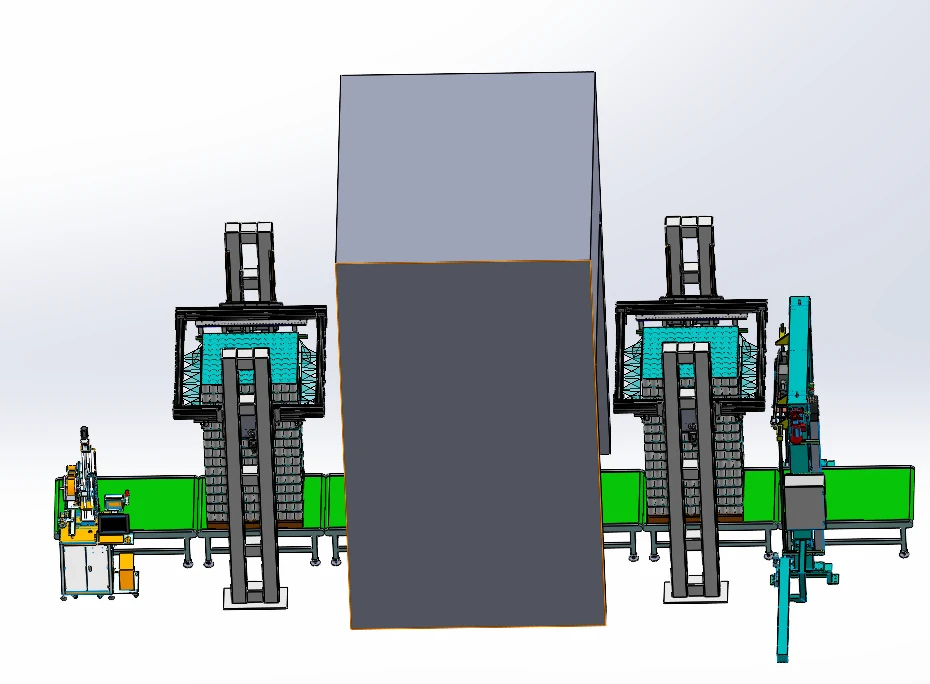
Presentation packaging asks the handling system to protect appearance as well as complete a packing task. The box, insert and product need to meet in a controlled arrangement before the package is closed. This concept-based guide follows that sequence and explains why vision, material feeding and changeover should be discussed together. It does not assume that every box style can run on one unchanged setup.
Define the finished box before selecting a robot
Provide the external box, internal arrangement and protective materials as one set. Show which way products face, how they sit in the insert and which surfaces must remain undamaged. Identify any cards, foam pieces or labels added before closing.
Dimensions alone are not enough. Samples help reveal stiffness, variation, surface finish and the access available to tooling. Mark the formats required at launch separately from future formats that still need investigation.
Make insert feeding a defined operation
An insert magazine needs an agreed loading method, orientation and pickup condition. Discuss how individual inserts are presented and how the sequence confirms that the required item has been collected and placed.
Different materials may behave differently during separation and handling. Evaluate the actual insert with the proposed tooling, including whether it can deform or remain attached to another piece. Replenishment and low-material response belong in the sequence rather than being left outside the line concept.
Give vision a specific task
Vision may be used for position information or for a defined inspection. These tasks need different acceptance questions. For guidance, identify the coordinates and timing information needed by the robot. For inspection, identify the feature or unwanted item and the agreed decision boundary.
If products move during the picking sequence, the camera, conveyor information and robot movement need an agreed relationship. Review the available view, lighting, product presentation and handling window. A camera on a layout is not evidence that every product variation can be located or inspected.
Coordinate packing with the receiving box
The picking station needs to know that the correct box and insert are present in the required position. Define the loading order, the placement approach and what confirms completion before the box moves onward.
An example sequence can include lane separation, locating or rotating mechanisms and multiple robot tasks. Review each handoff so that a delayed insert, missing product or uncertain inspection result has a defined destination and recovery action. Protecting product appearance remains part of the evaluation.
Separate recipe changes from hardware changes
| Change | What to check |
|---|---|
| Product count or arrangement | Recipe, positions, tool contact and available box space |
| Box dimensions | Guides, locating mechanisms and receiving positions |
| Insert geometry or material | Magazine, separation and gripping method |
| Product shape or surface | Tool compatibility, handling limits and inspection view |
Some adjustments may be manual and some formats may be outside the proposed range. Keep those limits explicit. A rate stated for one packing arrangement should not be applied to every product count or box style.
Build a format matrix for the proposal
- Box, insert, product and accessory details for each format.
- Required arrangement, appearance limits and sample availability.
- Feed conditions, target rate and retained manual tasks.
- Known incompatibilities, change frequency and existing line interfaces.
The matrix provides a practical basis for tooling trials, station layout and changeover review. It also helps distinguish a confirmed format from an extension still requiring engineering.
Application guidance. Final equipment selection and performance conditions are defined for the individual project.